
Business
Donald Trump sacks Nigerian Billionaire Adviser, Adebayo Ogunlesi + Read His Many Great Achievements

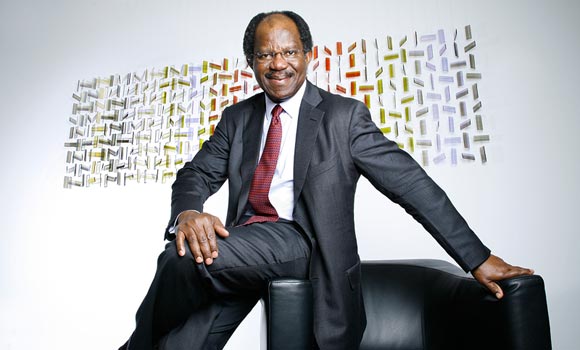

Nigerian born international CEO, Adebayo Ogunlesi has now ceased to be an adviser to embattled US President Donald Trump. Trump sacked him today along with other distinguished CEOs counselling him via two councils on how to “Make America Great Again”.
Adebayo Ogunlesi: to advise Trump on the economy
Trump sacked Ogunlesi on Twitter, when he announced the dissolution of two business advisory councils, in one fell swoop.
Ogunlesi was a member of Strategic and Policy Forum, one of the two disbanded by the unpredictable president. The other group was the Manufacturing Jobs Initiative Council.
Ogunlesi, heads Global Infrastructure Partners, a private equity firm and one of Fortune 500 companies. He was the only African on the panel.
The New York Times reported before Trump’s tweeted dissolution, that members of Ogunlesi’s panel were debating dissolving the body entirely as Trump wallowed deeper into bigotry quagmire. But Trump preempted their move.
“Corporate leaders had hoped that President Trump would help businesses by slashing taxes and gutting regulations. It is not clear how much he will deliver on that score. On top of that, he is putting many chief executives in the position of answering for a president with an unparalleled track record of outraging people, most recently at a contentious press conference on Tuesday when he drew a false equivalence between the white supremacists who protested in Charlottesville, Va., last weekend and counter-protesters.”, NYT reported.
Trump had earned rebuke and isolation from business leaders for supporting racial bigotry, White Supremacists and the KKK, following his remarks that failed to blame the tragic violence in Charlottesville, Virginia on the group. Instead, he blamed all the sides and the group that challenged the racists.
The leaders of three companies — Kenneth Frazier of Merck, Kevin Plank of Under Armour and Brian Krzanich of Intel — were the first to resign from the Manufacturing Jobs Initiative Council.
They resigned on Monday because Mr. Trump was slow to condemn the white supremacists during the weekend and blamed “many sides” for the violence.
When Trump moderated his tone on Monday by saying “racism is evil” and condemning neo-Nazis, he did not assuage some of the CEOs working with him.
Scott Paul, the president of the Alliance for American Manufacturing, an organization backed by the steel industry and the United Steelworkers resigned. he was followed on Tuesday by Richard Trumka and Thea Lee, the president and deputy chief of staff for the union group A.F.L.-C.I.O.. The latter’s resignation followed Trump’s reversed position at a press conference at Trump Tower in New York, in which he said that “not all of those people were neo-Nazis, believe me,” referring to the white nationalists who were chanting “Jews will not replace us” as they marched with tiki-torches.
Ogunlesi’s Strategic Forum, composed some of America’s most highly respected and successful business leaders.
HIS MOTIVATING PROFILE
A Nigerian, Adebayo Ogunlesi, has acquired the London Gatwick Airport as the new owner. The Gatwick deal is a £1.455 billion agreement with BAA Airports Limited. Adebayo Ogunlesi, then 56, is the chairman and managing partner, Global Infrastructure Partners (GIP), an independent investment fund based in New York City with worldwide stake in infrastructure assets,is the new owner of the London Gatwick Airport.
The Nigerian who led Gatwick Airport Acquisition attended prestigious King’s College, Lagos. He is a member of the District of Columbia Bar Association. He was a lecturer at Harvard Law School and the Yale School. Ogunlesi, whose father was the first Nigerian-born medical professor, studied philosophy, politics and economics at Oxford and then earned law and business degrees from Harvard. Ogunlesi has lived in New York for 20 years and is active in volunteer work. But he also cultivates his ties to Africa. He informally advises the Nigerian government on privatisation.
Prior to his current role, he was executive vice chairman and chief client officer of Credit Suisse, based in New York. He previously served as a member of Credit Suisse’s Executive Board and Management Council and chaired the Chairman’s Board. Previously, he was the Global Head of Investment Banking at Credit Suisse. Since joining Credit Suisse in 1983, Ogunlesi has advised clients on strategic transactions and financings in a broad range of industries and has worked on transactions in North and South America, the Caribbean, Europe, the Middle East, Africa and Asia.
Ogunlesi is very much in touch with developments in his homeland Africa. In Nigeria, as an informal adviser to former president Olusegun Obasanjo, Ogunlesi has been known to advise successive governments on fiscal policies, economic development and strategic management…. Amongst other things has been involved in…AFC, IFC it was AFC that led Africa’s participation in the $750 million syndicated lending facility to develop Ghana’s Jubilee Oil Field, which is deemed one of West Africa’s largest deep-water offshore developments in over a decade.





Business
Time is of the essence,” the group stressed. “Every delay compounds the hardship and weakens faith in the system.”
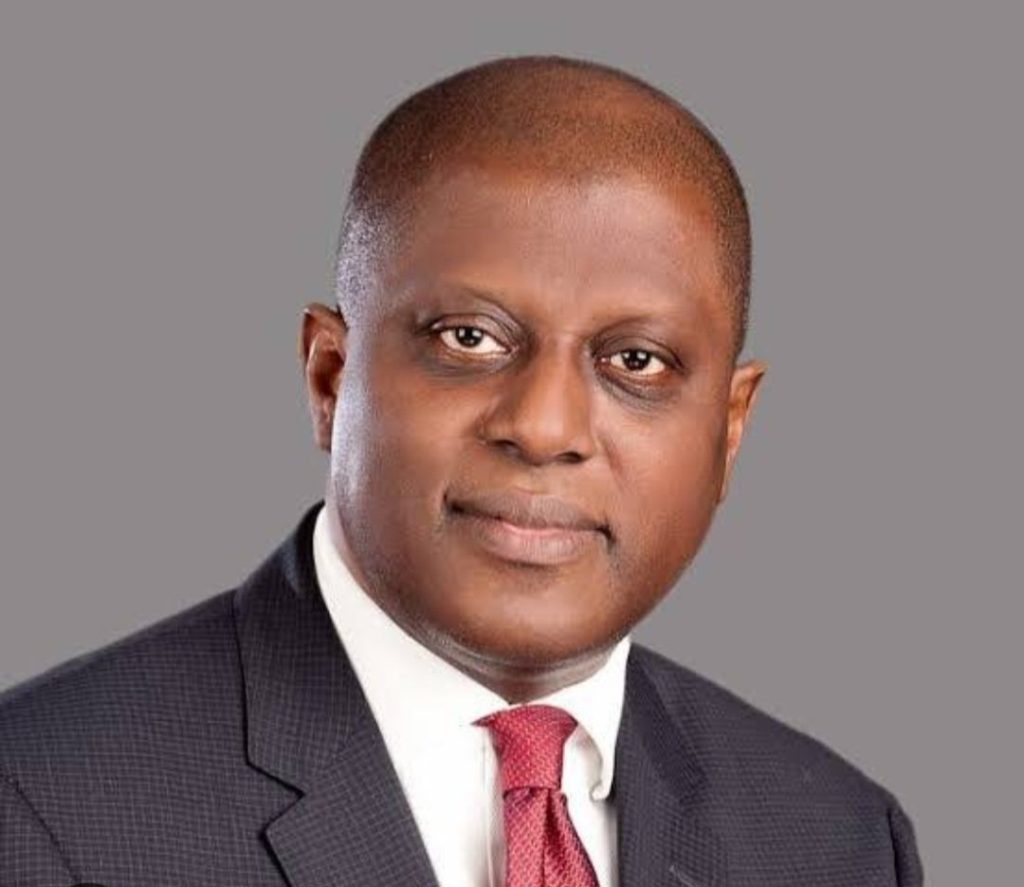
Trapped Funds, Fading Trust: Heritage Bank Depositors Demand Urgent CBN Bailout
By Ifeoma Ikem
Nearly two years after the collapse of Heritage Bank, thousands of depositors say they are still living with the financial and emotional aftershocks of a liquidation they insist was never meant to end this way. What began as regulatory reassurances has, in their view, spiralled into prolonged uncertainty, partial payments, and mounting hardship, thus prompting a fresh and urgent appeal to President Bola Tinubu and the Governor of the Central Bank of Nigeria, Olayemi Cardoso, to intervene decisively.
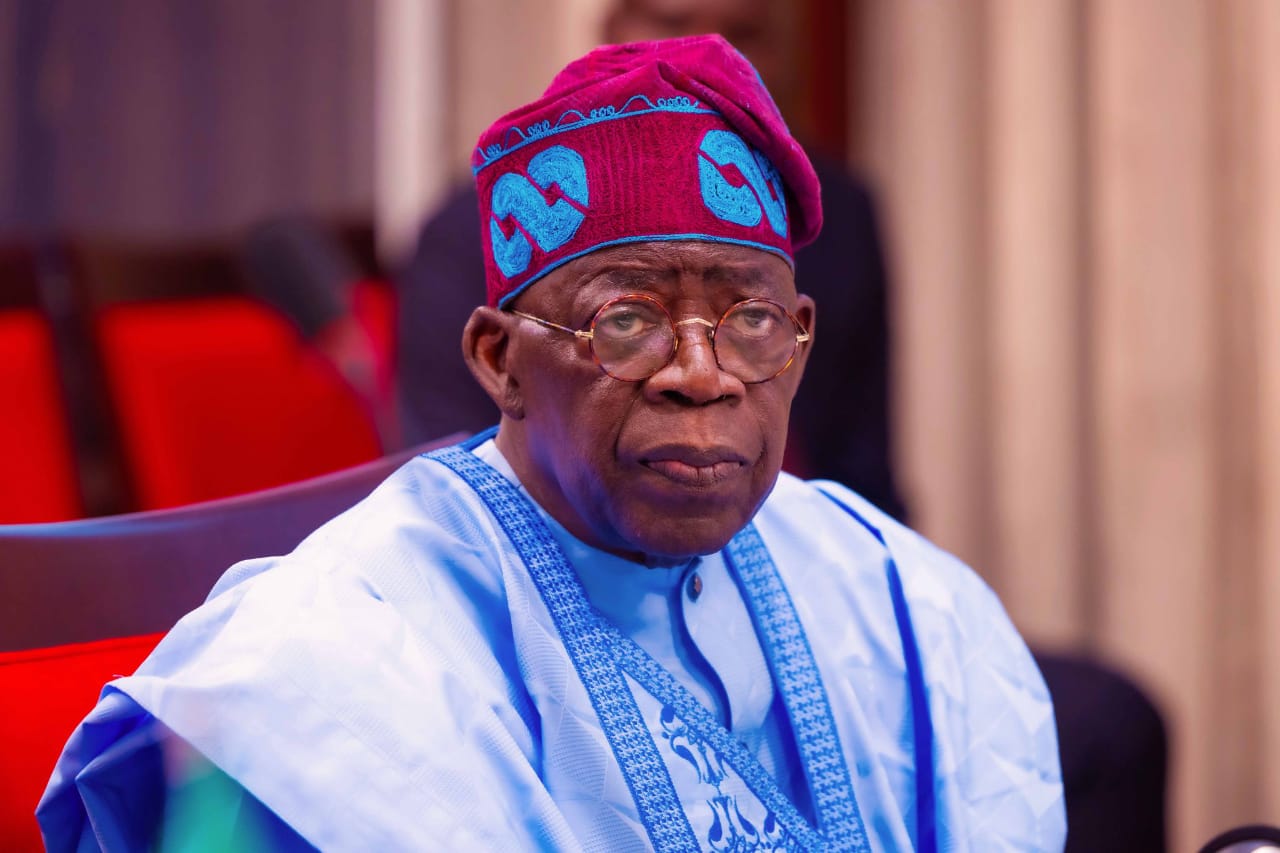
In a strongly-worded statement issued in Lagos, the depositors framed their demand not simply as a financial request but as a test of the country’s commitment to safeguarding public trust in its banking system. They are asking the Central Bank to provide immediate bailout funds to the Nigeria Deposit Insurance Corporation (NDIC) to enable full reimbursement of all affected customers, arguing that the pace of recovery so far has been painfully slow and grossly inadequate.
According to them, while insured deposits up to ₦5 million were covered under statutory provisions, payments beyond that threshold (known as liquidation dividends) have amounted to just 14.2 percent of their total balances in nearly two years. The first tranche of 9.2 percent was paid in April 2024. A second installment of 5 percent followed recently. For many, that has been the extent of relief.
At this rate, they argue, the mathematics simply does not inspire confidence.
“These are not abstract figures,” one depositor said. “They represent school fees, retirement savings, working capital for small businesses, cooperative funds, and life savings built over decades.” Among those affected, they say, are civil servants, retirees, entrepreneurs, and families whose livelihoods have been upended by the prolonged wait.
What deepens their frustration, they contend, is the memory of official assurances given before the bank’s collapse. When signs of distress first emerged, depositors recall that the Central Bank publicly and privately reassured customers that their funds were safe and that the institution remained sound. Those assurances, they say, influenced their decision not to withdraw their savings at the time.
The eventual liquidation therefore came as a shock, both financially and psychologically. “We trusted the regulator,” the group noted. “Between the Central Bank and the NDIC, we were told our funds would be repaid 100 percent.”
It is that promise, they argue, that must now be honored in full.
While acknowledging that the NDIC has begun verification and payment processes, the depositors insist that the agency lacks the financial capacity to conclude the exercise within a reasonable timeframe. They point to the scale of total deposits — estimated at about ₦650 billion — and the fact that only around ₦54 billion has been paid out in 18 months. In their view, that ratio raises serious questions about whether the liquidation process, left solely to asset recovery, can realistically guarantee timely reimbursement.
The group also referenced previous instances in which the Central Bank stepped in to stabilize distressed institutions, arguing that regulatory precedent supports intervention. They cited the reported ₦460 billion facility linked to Heritage Bank before its collapse, as well as substantial financial support extended to other banks to facilitate mergers or recapitalization. In one example, they noted, a ₦700 billion support package reportedly enabled a struggling bank to qualify for a merger, with favorable repayment terms that included a five-year moratorium and extended repayment window at below-market interest rates. They also referenced regulatory intervention in Keystone Bank as evidence that decisive action is possible when systemic stability is at stake.
Given that history, they say, it is difficult to understand why a direct bailout to protect depositors is not being prioritized.
Beyond financial restitution, the depositors are also calling for accountability. They demanded a thorough investigation and immediate prosecution of any individuals or entities found culpable of asset diversion, mismanagement, or actions that may have contributed to the bank’s collapse. To them, justice is as important as compensation.
They argue that without visible consequences, public confidence in the banking system could erode further. “The integrity of the financial sector rests not only on liquidity, but on accountability,” one stakeholder said. “If people believe that funds can disappear without consequences, trust collapses.”
The broader concern, they warn, is systemic. Nigeria has not witnessed a full commercial bank liquidation in over two decades, as troubled institutions have typically been resolved through mergers, acquisitions, or regulatory restructuring. Many depositors therefore assumed that a similar pathway would apply in this case. Instead, they say, liquidation has exposed gaps in depositor protection mechanisms.
They also question the broader insurance framework, noting that banks have paid premiums to the NDIC for years precisely to safeguard depositors. If recovery remains this limited, they argue, the protective purpose of that insurance scheme comes under scrutiny.
For small business owners, the implications have been severe. Some report shutting down operations due to frozen capital. Others speak of properties sold under distress or retirement plans abruptly altered. The social cost, they insist, is real and growing.
At the heart of their appeal is a request for clarity. They want a clear, binding timeline for completion of the liquidation process and a transparent roadmap outlining how and when full repayment will occur. Without that, they fear that partial dividends will continue indefinitely, eroded by inflation and the time value of money.
They have also urged the Presidency and the National Assembly to step in, arguing that the matter transcends a single bank and touches on Nigeria’s financial credibility before the global community. Prolonged uncertainty, they warn, risks signaling regulatory inconsistency at a time when the country seeks to attract investment and deepen financial inclusion.
For the depositors, the issue is no longer simply about numbers on a ledger. It is about confidence in regulators, in institutions, and in the promise that money kept within the formal banking system is secure.
They believe the Central Bank must now assume full responsibility for resolving what they describe as a crisis of trust. Whether through direct financial support to the NDIC, accelerated asset recovery, or a hybrid intervention model, they insist that swift action is essential.
“Time is of the essence,” the group stressed. “Every delay compounds the hardship and weakens faith in the system.”
In a nation striving to strengthen its financial architecture and restore economic stability, the resolution of the Heritage Bank liquidation may well become a defining test — not only of regulatory capacity, but of the enduring covenant between citizens and the institutions entrusted with their savings.
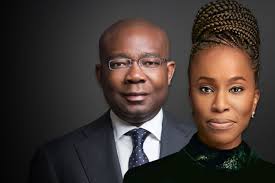
Aig-Imoukhuede Foundation opens applications for 6th Cohort Programme
The Aig-Imoukhuede Foundation is pleased to announce that applications are now open for the sixth cohort of its transformative AIG Public Leaders Programme (AIG PLP).
This flagship six-month executive education initiative, delivered by the University of Oxford’s Blavatnik School of Government, is designed to empower high-potential public sector leaders across Africa with the tools, networks, and strategic insight required to deliver meaningful reform across African public institutions.
Applications are now open to qualified public servants from all English-speaking African countries and will close on Sunday, April 12, 2026. The programme commences in October 2026.
Since its inception in 2021, the AIG PLP has built a formidable reputation for creating tangible impact.
Alumni from the programme have gone on to design and implement more than 230 reform projects within their ministries, departments, and agencies across Africa.
An impact survey revealed that 62% of alumni have earned promotions or assumed expanded leadership roles post-training, demonstrating the programme’s direct effect on career advancement and institutional influence.
“Across Africa, the complexity of public sector challenges demands more than good intentions. It requires reformers who understand systems, can navigate institutional realities, and are equipped to implement sustainable change.
The AIG PLP is designed to meet this need,” said Ofovwe Aig-Imoukhuede, Executive Vice-Chair of the Aig-Imoukhuede Foundation.
As part of the programme, a PLP alumna, Titilola Vivour-Adeniyi, Executive Secretary of Lagos State DSVA, launched a secure self-reporting tool that allows survivors of domestic and sexual abuse safely document incidents and preserve evidence.
Survivors are already accessing support, and the tool ensures that crucial proof is protected until justice can be sought. This is one of over 230 impactful reform projects being implemented across sectors as diverse as healthcare, finance, agriculture, and education.
We are seeing proof every day that investing in the capacity and leadership potential of people, delivers the kind of transformation that policy alone cannot achieve.”
The AIG PLP is a blended learning experience that combines online sessions with an intensive residential module.
It is offered at no cost to selected participants, with the Foundation covering all costs of the programme including accommodation and feeding during the residential weeks.
Participants gain direct access to world-class faculty from the University of Oxford, and learn to tackle core public sector challenges such as: Negotiating in the public interest. Harnessing digital technology for governance.
Strengthening public organisations.
Upholding integrity in public life.
The curriculum culminates in a capstone reform project, where participants apply their new skills to a real-world challenge within their institution.
This practical component ensures that learning translates directly into actionable solutions.
Interested candidates are encouraged to apply early. For more details on the application process and to apply, please visit the Aig-Imoukhuede Foundation website.
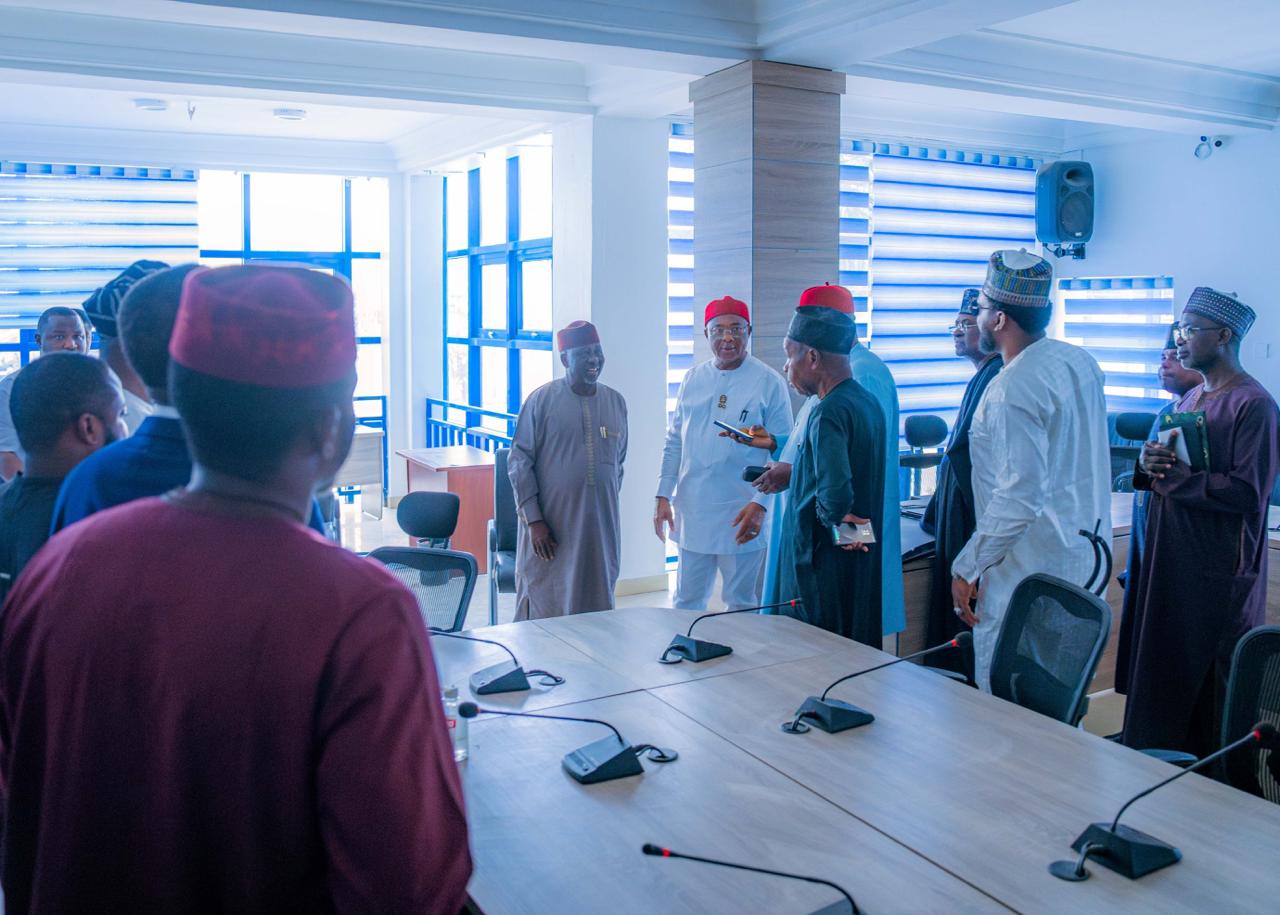
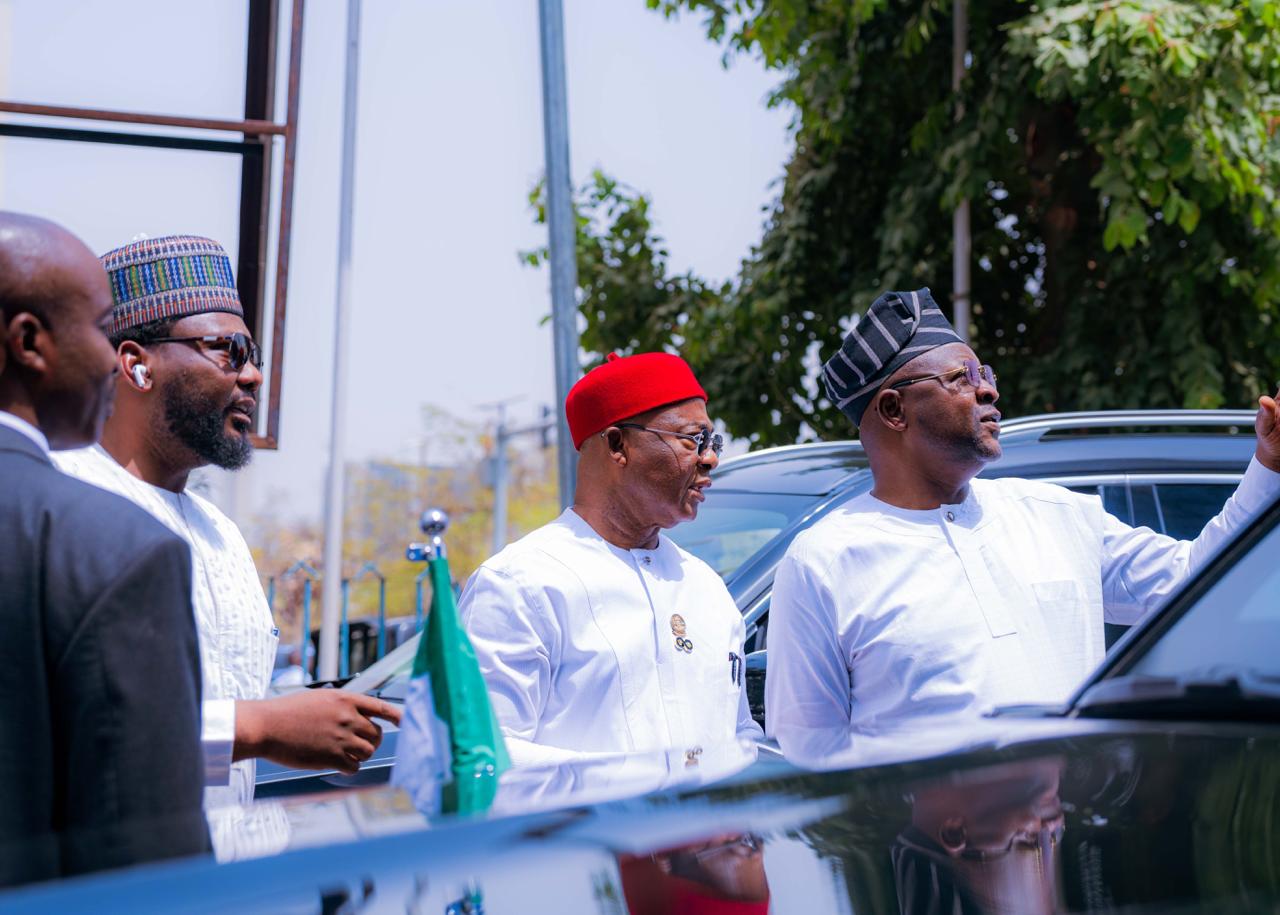
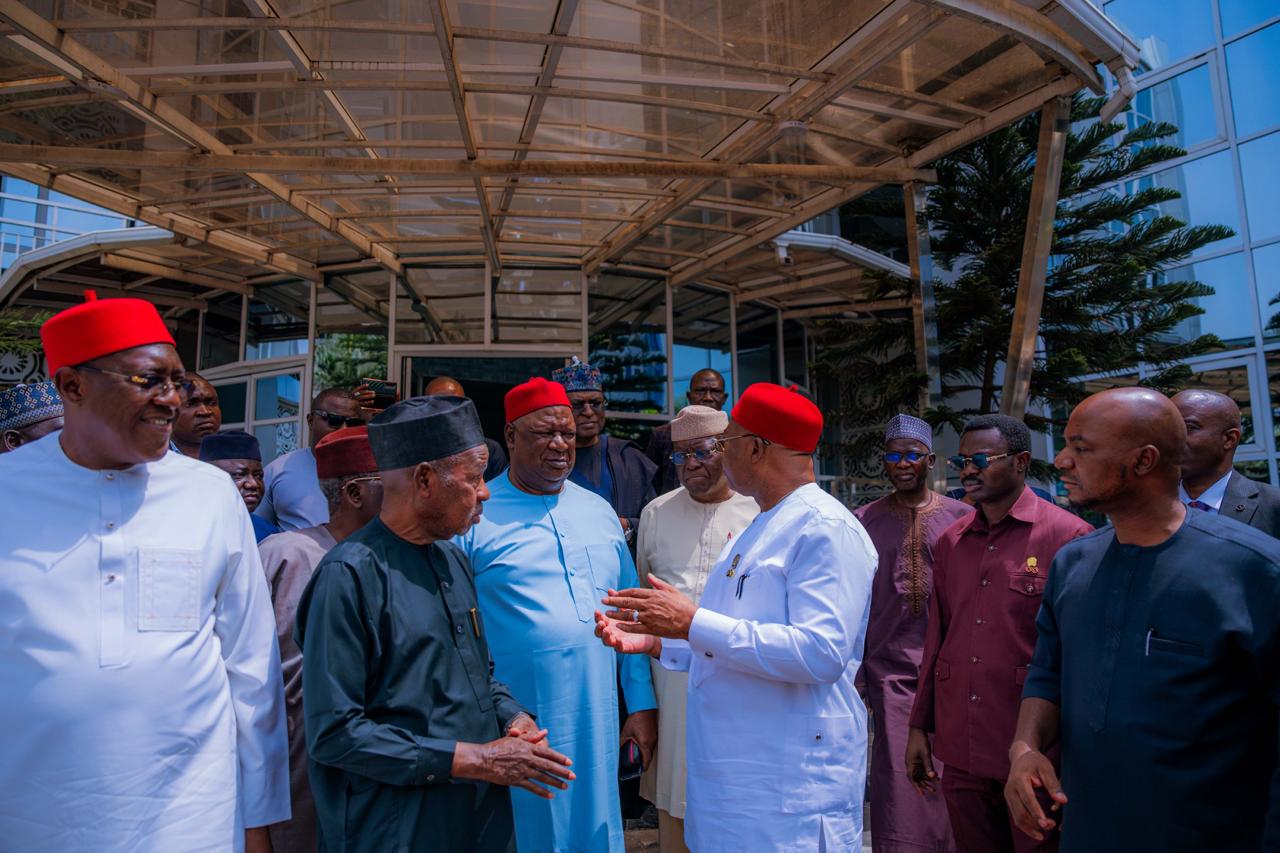
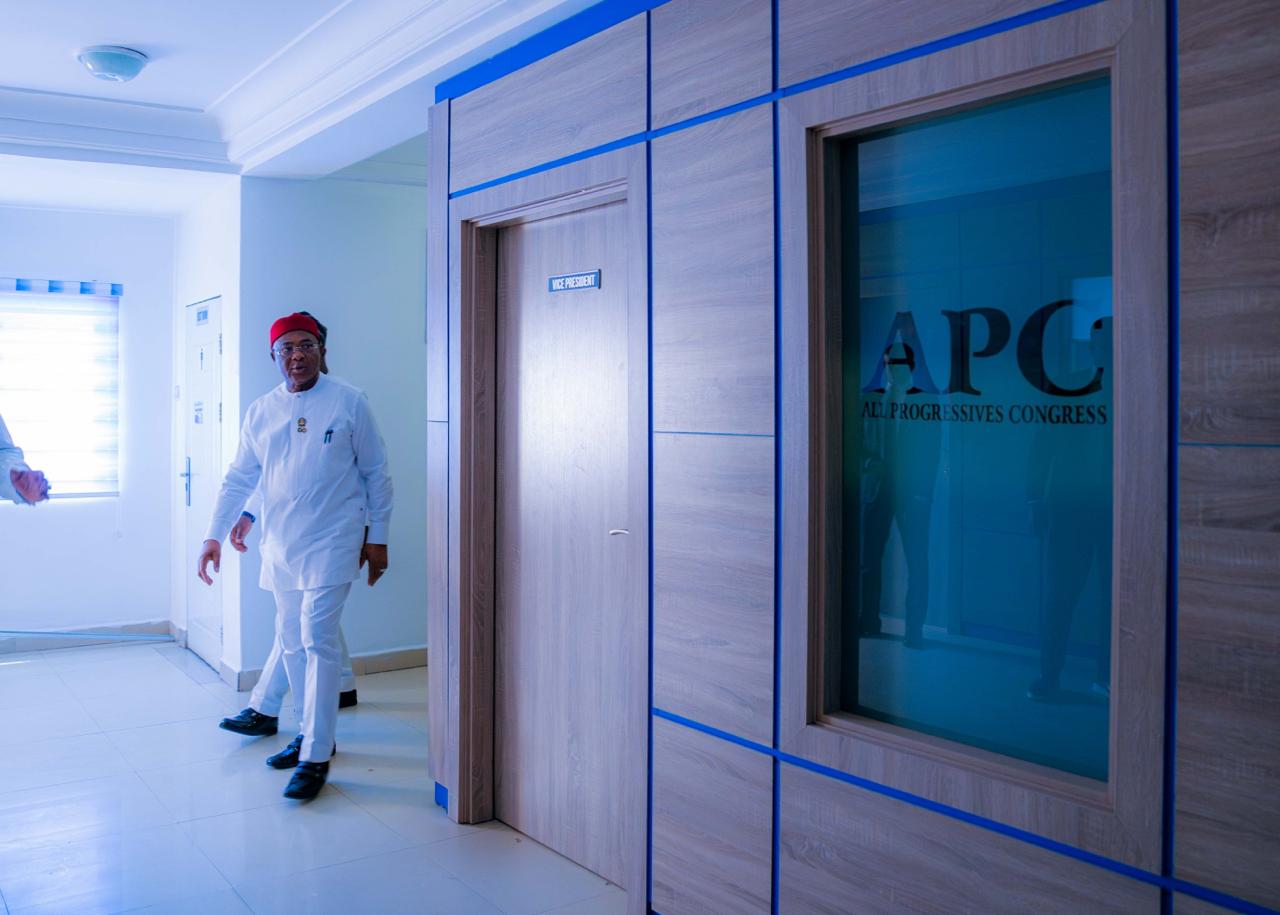
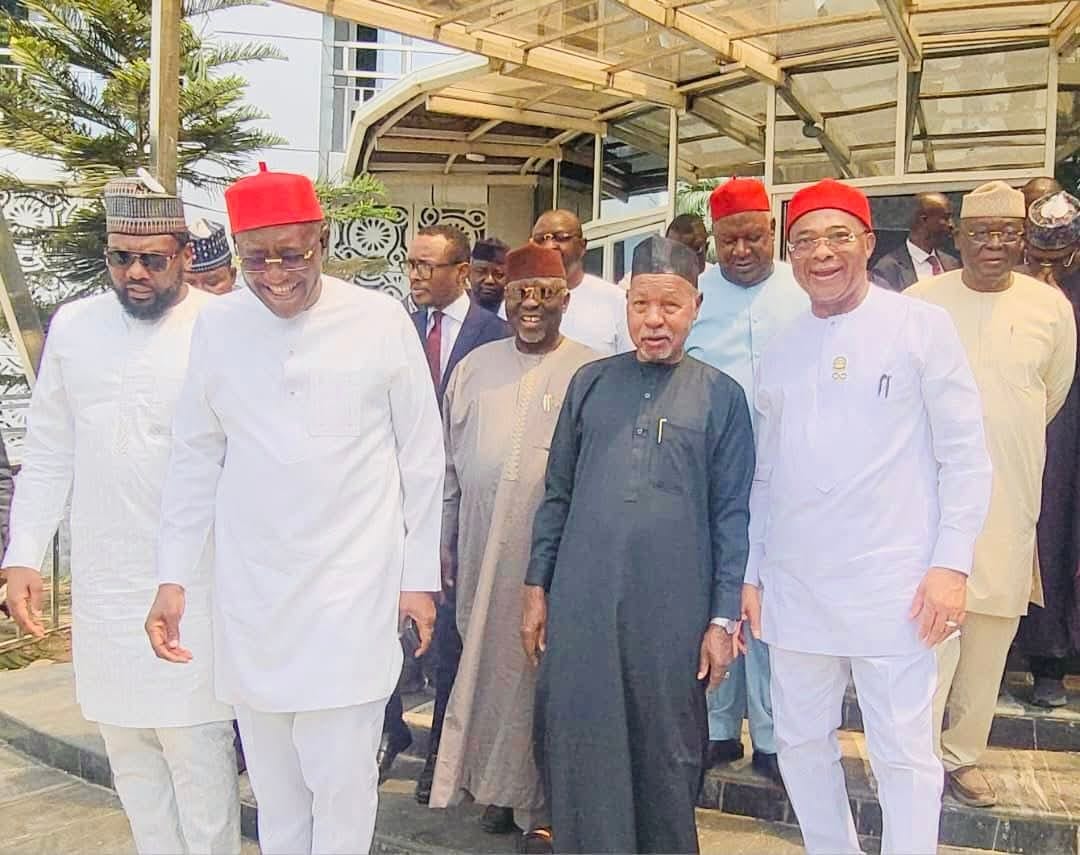
Renewed Hope Ambassadors Inspect RHA Secretariat
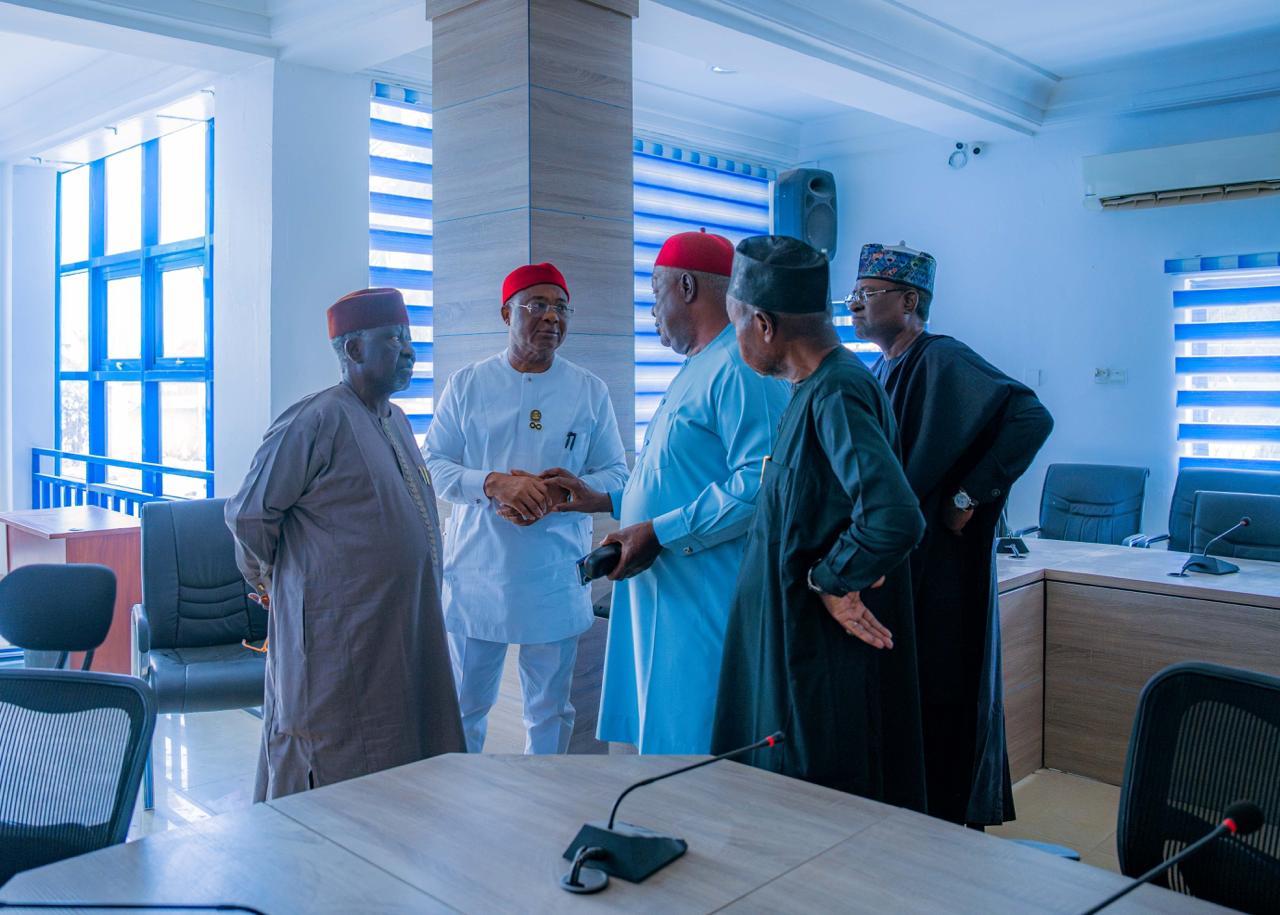
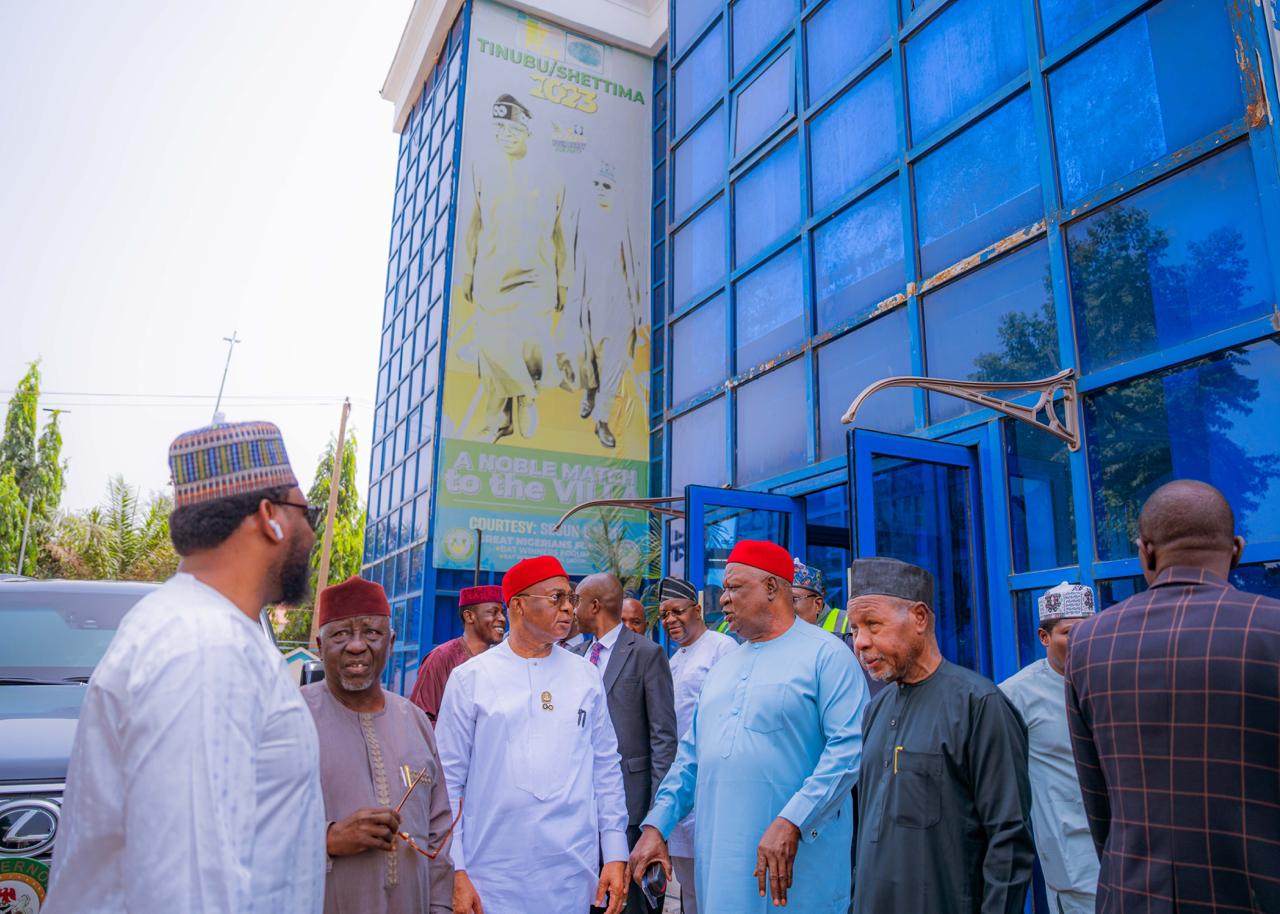
Renewed Hope Ambassadors, led by its Director-General and the Governor of Imo State, Hope Uzodinma, alongside Zonal Coordinators (NW, NC, SE), the Media & Publicity Directorate, and other key stakeholders, inspected the RHA Secretariat two days after President Bola Tinubu unveiled the Renewed Hope Ambassadors grassroots engagement drive in Abuja.



-

 celebrity radar - gossips7 months ago
Why Babangida’s Hilltop Home Became Nigeria’s Political “Mecca”
-
 society5 months ago
Religion: Africa’s Oldest Weapon of Enslavement and the Forgotten Truth
-

 society7 months ago
Power is a Loan, Not a Possession: The Sacred Duty of Planting People
-

 news3 months ago
WHO REALLY OWNS MONIEPOINT? The $290 Million Deal That Sold Nigeria’s Top Fintech to Foreign Interests
You must be logged in to post a comment Login